

How Employers Should Evaluate Telemedicine: From Access to Outcomes

Telehealth isn’t new anymore.

COVID accelerated it. Employees got used to it. Employers embraced it. And today, virtual care has become an expected part of how people access healthcare. Nobody is nostalgic for sitting in an urgent care waiting room for three hours with a fever. But now that telemedicine has matured, I think employers need to start asking a different set of questions. For years, we evaluated telehealth like a standalone benefit. How much does it cost? How quickly can an employee see someone? How many people use it? Do employees like it? Those things matter. But healthcare isn’t a collection of individual vendors. It’s an ecosystem. And every healthcare solution you buy should make the rest of the health plan work better. So the question isn’t simply, “Do we have a good telemedicine vendor?” The better question is, “Does our virtual care strategy make the rest of our healthcare strategy smarter?” That is a very different conversation.

Modern tablet showing real-time digital health analytics in a clean healthcare facility

What Should Employers Look for in a Telemedicine Vendor?

Employers should evaluate much more than cost, access, wait times and utilization. A strong telemedicine strategy should connect to the rest of the health plan, including primary care, behavioral health, chronic disease management, pharmacy, navigation, referrals and follow-up care. In other words, the goal should not simply be to make it easier for an employee to have a virtual visit. The goal should be to make sure that virtual visit leads to the next right step. That’s where the real value begins.
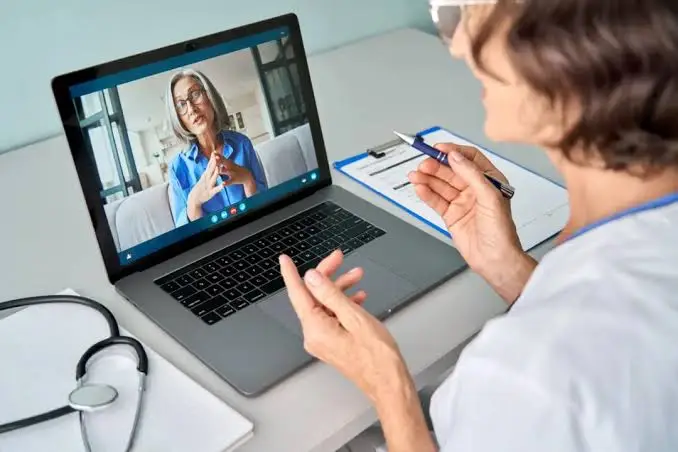
Stop Thinking in Silos

Employers have become incredibly sophisticated shoppers. They’ll spend months selecting a PBM. They’ll evaluate navigation companies. They’ll compare diabetes programs, behavioral health vendors, musculoskeletal solutions, second-opinion services and specialty drug strategies. And then telehealth sometimes gets treated like an inexpensive add-on. A few dollars PMPM. Easy access. Check the box. Except every one of these solutions touches the same employee. Every one influences healthcare utilization. Every one has the potential to either improve the next healthcare decision or create another silo. Telemedicine is increasingly becoming a digital front door to the health plan. For many employees, that virtual visit may be one of their first interactions with the healthcare system. And what happens during that encounter can influence everything that comes next: primary care, pharmacy utilization, behavioral health, chronic disease management, specialty medications, care navigation, referrals, follow-up care, emergency department utilization and, ultimately, total cost of care. If all of those pieces operate independently, you haven’t built a healthcare strategy. You’ve built a collection of vendors.

What Is a Digital Front Door in Healthcare?

A digital front door is the entry point that helps a patient access and navigate healthcare. Telemedicine can play a major role in that experience, but a front door is only valuable if it actually leads somewhere. If an employee has a virtual visit and then has to figure out on their own how to find a specialist, fill a medication, access behavioral health support or understand what their health plan covers next, the experience is still fragmented. The better model is one where that first digital interaction helps guide the member through the rest of the healthcare journey. Because access alone is not integration.

Utilization Isn’t the Goal. Better Outcomes Are.

For years, telehealth success has been measured by things like visit volume, speed to appointment and patient satisfaction. Those are useful operational metrics, but they’re not the finish line. The real question is: Did that encounter improve someone’s health? Did the patient get the treatment they needed? Did they actually receive the medication that was prescribed? Did they stay on therapy? Did someone help them manage their diabetes, hypertension or another chronic condition? Did they establish a relationship with primary care? Did they avoid an unnecessary emergency room visit? Did the next person involved in their care know what happened? That is the shift healthcare has to make. Utilization tells you somebody used the service. Outcomes tell you whether the service mattered. More encounters are not automatically better healthcare. Better outcomes are.

How Should Employers Measure Telehealth ROI?

This is where employers should move beyond the traditional scorecard. Visit volume matters. Employee satisfaction matters. Speed to care matters. But employers should also be asking whether telemedicine is improving measurable health outcomes. That may include medication adherence, primary care engagement, chronic disease management, avoidable emergency department utilization, follow-up care, behavioral health engagement, specialist referrals and total cost of care. Those measures tell employers much more about the actual impact of the benefit. A telemedicine program with high utilization but no measurable improvement in outcomes may simply be generating more activity. That is not the same thing as generating more value.

A professional team meeting in a modern office, with a man and woman smiling and discussing healthcare benefits.

What Happens After a Telehealth Doctor Writes a Prescription?

This is where my pharmacy brain naturally goes. A patient has a virtual visit. The clinician decides medication is appropriate. They click “Send Prescription.” Now what? Is the medication clinically appropriate? Is it affordable? Does it align with the employer’s formulary strategy? Is there a lower-cost option? Does the member actually fill it? Does anyone know whether they stay on therapy? Can the employer see what happened next? Those aren’t just pharmacy questions. They’re health plan questions. And if the answers live in completely separate systems managed by vendors who never communicate, you’ve missed a huge opportunity. But the prescription is only one transition point. The same thing happens when a patient needs a specialist, behavioral health support, chronic care management, navigation, follow-up with primary care or help understanding where to go next. Every healthcare encounter should trigger the next appropriate step in the patient’s journey.

Should Telemedicine Integrate With the PBM?

Yes, pharmacy strategy should be part of the telemedicine conversation. But integration doesn’t necessarily mean every prescription has to stay inside the PBM. Sometimes the best clinical or financial option may exist outside of the traditional pharmacy channel. The bigger question is whether the strategy is intentional. Employers should know: What was prescribed? Why was it prescribed? Was the medication affordable? Did the member receive it? Was there a better alternative? Did the patient stay on therapy? And did the treatment improve the patient’s health? That is what meaningful integration looks like. Not forcing every healthcare decision into the same box.

Where Do GLP-1s Fit Into a Telemedicine Strategy?

GLP-1s are a perfect example of why employers cannot think about telemedicine and pharmacy separately. These medications are not simply a pharmacy expense. They touch obesity, diabetes, cardiovascular risk, primary care, nutrition, behavioral health, adherence and long-term chronic disease management. So if an employee accesses a GLP-1 through virtual care, what happens next matters. Is there appropriate clinical oversight? Is the patient being monitored? Is nutrition or lifestyle support included? Is the employer’s pharmacy strategy being considered? Is adherence being measured? Are outcomes being tracked? Are there clear criteria for continuation of therapy? Employers cannot intelligently manage a category this important if prescribing happens in one place, pharmacy data lives somewhere else and clinical outcomes live somewhere else entirely. GLP-1 strategy is healthcare strategy, and virtual care can either help connect those pieces or make the fragmentation worse.

Follow the Entire Patient Journey

The goal isn’t to keep every patient inside one closed system. Sometimes the best clinical option exists somewhere else. Sometimes the best medication strategy sits outside the traditional PBM channel. Sometimes the right specialist, facility or care pathway is different from where the health plan would normally steer a member. And that’s okay. What matters is intentionality. Employers should be able to understand the full journey: Where did the patient start? What happened during the encounter? What was recommended? Where did they go next? Did they actually receive the care? Did it work? And what did it cost? Answering those questions requires more than a telehealth platform. It requires a connected clinical delivery strategy where the member experience, clinical care, employer data and the broader health plan ecosystem can actually communicate with one another. Because the real value isn’t having the best telemedicine company, the best PBM, the best navigation vendor or the best point solution. The value comes when each one helps make the others better.

What Questions Should Employers Ask a Telemedicine Vendor?

The next time you evaluate virtual care, ask more than cost, access and utilization. Ask how the clinical model connects with the rest of your health plan. What happens after the virtual encounter ends? How does the solution coordinate with primary care, behavioral health, chronic disease programs and specialists? What happens after a clinician prescribes a medication? How does it support your pharmacy and formulary strategy? How does it handle categories like GLP-1s and specialty medications that require ongoing management? What data comes back to the employer? Can you measure medication adherence, primary care engagement, chronic disease outcomes or changes in emergency department utilization? How does the vendor define success beyond the number of visits? And perhaps most importantly, ask: How will this solution make the rest of our health plan better? Because a low PMPM doesn’t necessarily mean value, and high utilization doesn’t necessarily mean success.

The Bottom Line

Healthcare doesn’t get better because employers buy more vendors. It gets better when care becomes more connected. For years, benefits leaders have been asked to be shoppers: find the best PBM, the best telemedicine company, the best navigation platform, the best behavioral health solution and the next innovative thing. But I think the next evolution is different. Employers have to become architects. The organizations that will be most successful won’t necessarily have the most impressive collection of healthcare vendors. They’ll have a connected healthcare ecosystem where every component reinforces the next, where virtual care leads somewhere, prescriptions are part of a larger clinical strategy, data follows the patient, outcomes matter more than activity and employees aren’t left to figure out how ten different healthcare solutions are supposed to work together. That is what healthcare integration should actually look like. And that is the strategy worth building

Frequently Asked Questions About Telemedicine for Employers


What should employers look for when evaluating a telemedicine vendor?

Employers should look beyond cost, access and utilization. A strong telemedicine solution should integrate with the broader health plan, support appropriate clinical follow-up, connect with pharmacy and other benefits, and provide measurable data on outcomes.

Virtual care should connect employees to the next appropriate step in their healthcare journey, including primary care, behavioral health, chronic disease management, pharmacy, specialists and care navigation.

Employers should look beyond visit volume and satisfaction. Useful measures may include medication adherence, primary care engagement, chronic disease outcomes, emergency department utilization, follow-up care and total cost of care.

Telemedicine and pharmacy strategy should be coordinated, but that does not mean every prescription must remain inside the PBM. The more important issue is whether prescribing, access, affordability, adherence and outcomes are visible and intentionally managed.

Telemedicine can be part of an effective GLP-1 strategy when virtual care is connected to appropriate prescribing, clinical oversight, chronic disease management, nutrition support, pharmacy strategy, adherence and measurable outcomes.

Talk with Rachel

Ideas. Leadership. Speaking. Media

Get to know our CEO/Founder, Rachel Strauss, beyond pharmacy benefits, and explore her latest work and appearance.

👤 About Rachel | 🎙️ Speaking | 🎬 Media

Ready to Reduce Your Healthcare Costs?

Tell us a little about your business, and Rachel will connect with you to discuss how she can help.